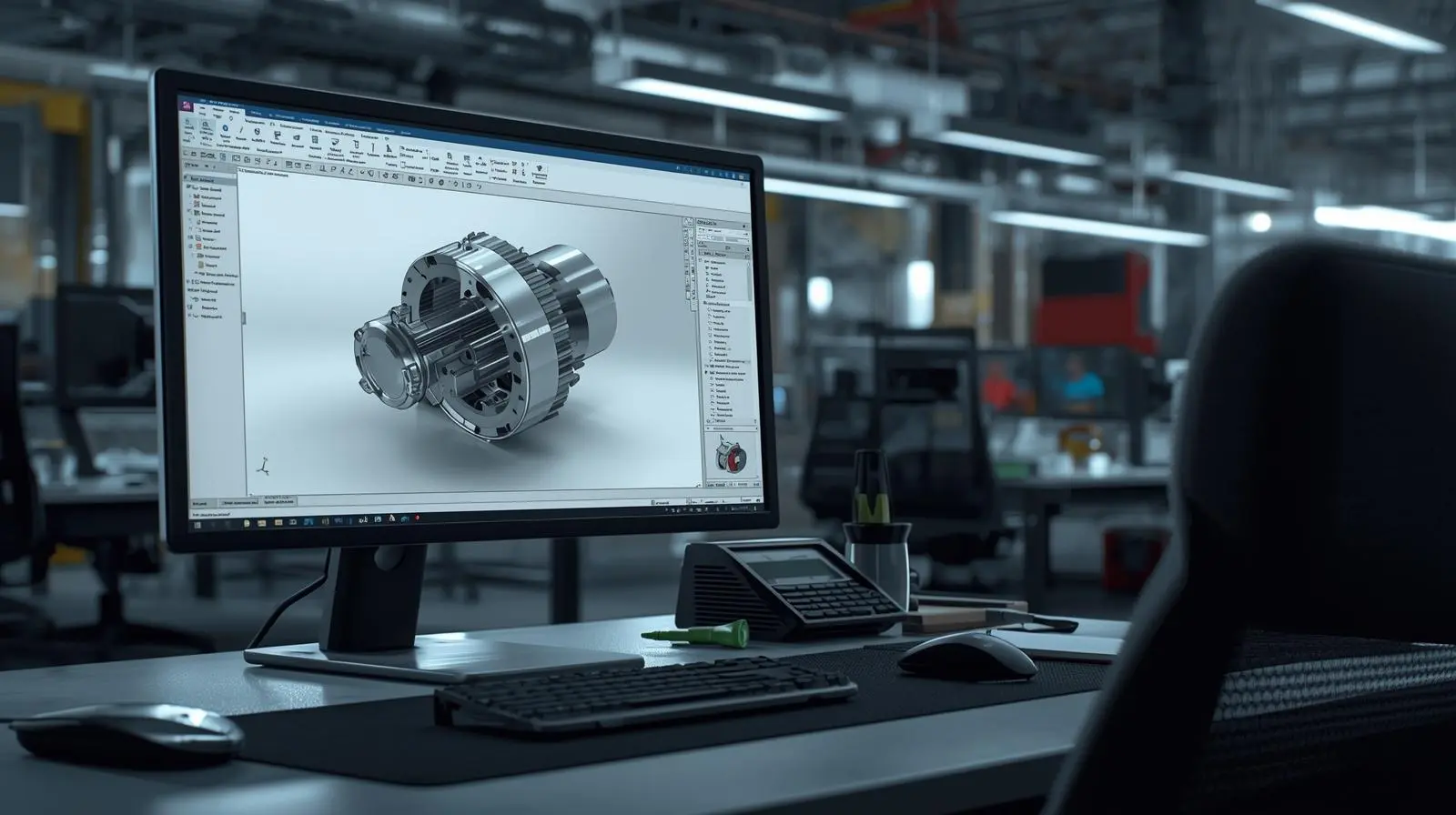

Scan data to SolidWorks – Modern engineering workflows frequently rely on measured geometry captured from existing physical components. While this data accurately represents real-world form, it often lacks the structure required for professional design modification, validation, and manufacturing.
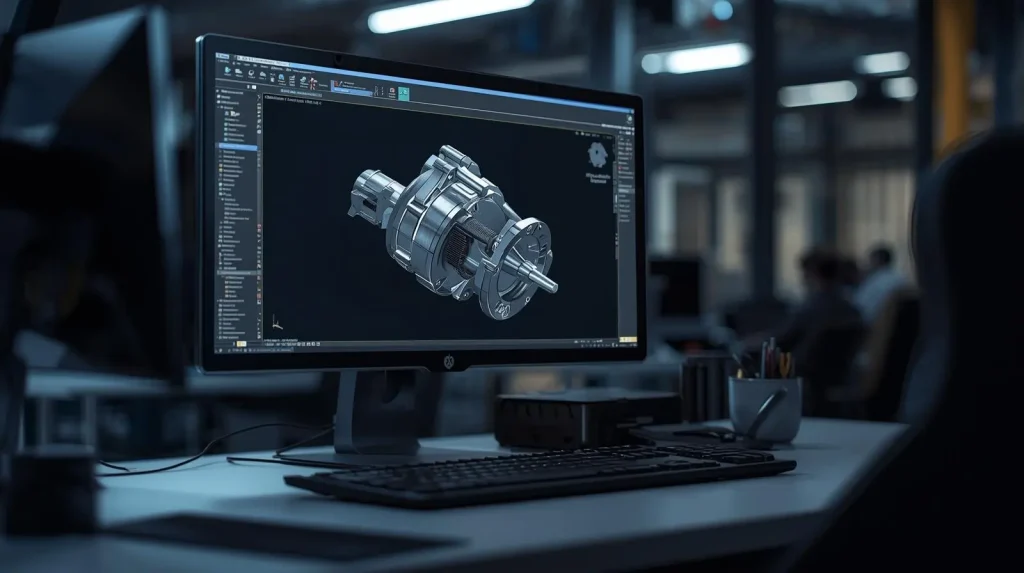
Transforming Measured Geometry into Editable CAD Models
At STLXYZ, measured geometry is treated as the foundation for rebuilding true engineering intelligence. The objective is to transform unstructured surface data into fully editable CAD models that integrate seamlessly into professional design environments.
From Measurement to Engineering Usability
Captured geometry typically consists of dense surface information that reflects shape but not design intent. Without reconstruction, this data remains difficult to modify, analyze, or prepare for production.
Engineering-ready CAD models require:
- Parametric dimensions
- Feature-based structure
- Clean surface continuity
- Controlled tolerances
Rebuilding these elements ensures the model can support real-world engineering decisions.
Restoring Design Intelligence
A professional reconstruction workflow focuses on identifying functional geometry and rebuilding it using analytical definitions. Reference planes, symmetry, and critical interfaces are established before recreating features such as holes, fillets, and mating surfaces with full dimensional control.
This process results in a structured model that behaves like a native CAD design rather than a static digital representation.
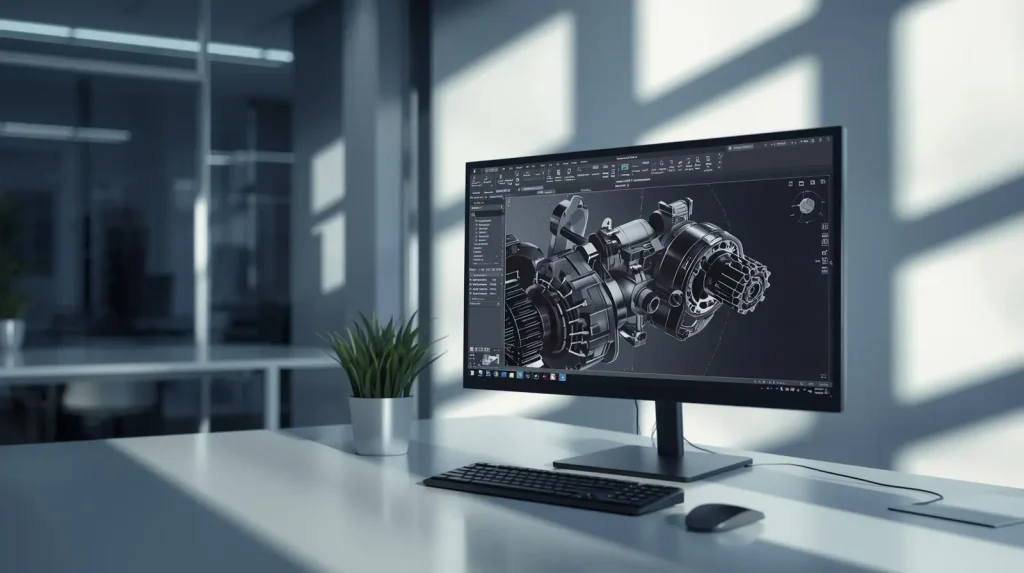
Accuracy and Validation
Precision is a critical requirement when rebuilding geometry. Each reconstructed model undergoes validation to confirm dimensional accuracy and surface alignment. Deviations are carefully managed to ensure compliance with engineering tolerances.
This validation ensures reliability across downstream applications such as machining, simulation, and assembly.
Applications Across Industries
Reconstructed CAD models are widely used in:
- Industrial machinery and spare parts
- Automotive components and redesign projects
- Aerospace documentation and restoration
- Manufacturing and tooling preparation
- Long-term digital archiving
In each case, structured CAD data improves consistency, efficiency, and production confidence.
Engineering-Led Reconstruction
Automated solutions often fail to capture true design intent or deliver usable feature structure. Engineering-led reconstruction prioritizes functionality, editability, and long-term value.
STLXYZ applies a disciplined methodology to ensure every model supports professional engineering workflows and manufacturing requirements.
Scan data to SolidWorks
Turning measured geometry into reliable digital assets is a key step in modern engineering. Through structured reconstruction and validation, STLXYZ delivers CAD models that restore design intelligence, support precision manufacturing, and enable confident decision-making throughout the product lifecycle.
Scan data to SolidWorks workflow delivering clean, fully editable CAD models rebuilt for professional engineering use. Contact us for more information.